
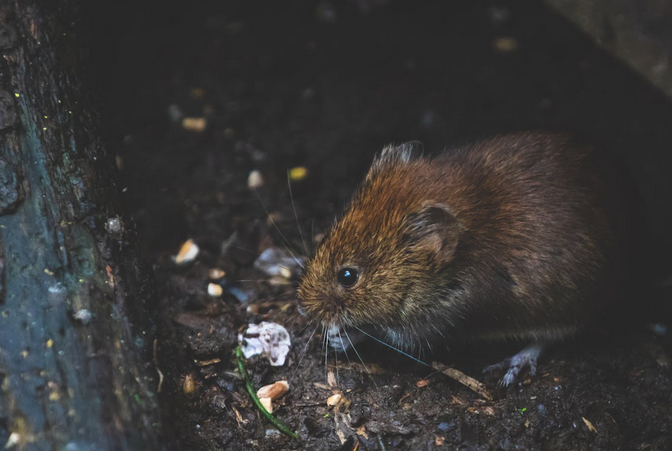
Rodent infestations pose serious risks to both health and property. Mice and rats can damage structures, contaminate food, and carry diseases. Preventing an infestation is far easier than removing one after it takes hold. Understanding expert strategies allows homeowners to protect their space efficiently. With practical steps and thoughtful planning, you can reduce the likelihood of rodents entering your home. This helpful resource explores proven methods for keeping your home rodent-free while maintaining a safe and comfortable living environment.
Identifying Potential Entry Points
Rodents can enter through surprisingly small openings. Cracks in walls, gaps around doors, and holes near plumbing or vents are common entry points. Inspect your home thoroughly to locate these vulnerabilities. Even openings as small as a quarter-inch can allow mice to slip inside. Sealing cracks with durable materials blocks access. Regular inspections help maintain this barrier. Identifying and addressing entry points is the first line of defense. It ensures that rodents have fewer opportunities to invade your home.
Maintaining Cleanliness and Reducing Food Sources
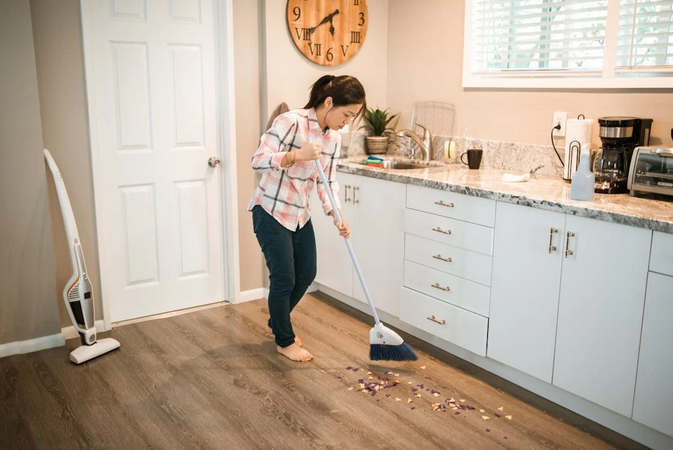 Rodents are attracted to accessible food. Improperly stored pantry items or pet food left out overnight can lure them inside. Keeping kitchens, pantries, and dining areas clean is critical. Store food in sealed containers. Dispose of garbage regularly and use bins with secure lids. Cleaning crumbs and spills promptly eliminates easy meals for pests. Reducing food availability makes your home less appealing to rodents. Maintaining cleanliness is a simple yet effective preventive measure.
Managing Yard and Outdoor Spaces
Rodents often live near homes before venturing indoors. Overgrown vegetation, woodpiles, and cluttered yards provide shelter. Trim bushes and trees away from the house to reduce hiding spots. Keep grass short and remove debris that can attract wildlife. Consider placing compost or mulch away from the foundation. Outdoor management limits the environment that rodents can exploit. Proper yard care complements indoor prevention efforts. It reduces the overall rodent population near your home.
Installing Physical Barriers
Physical barriers are essential to prevent rodent access. Mesh screens over vents, door sweeps under entryways, and sealed utility openings create effective obstacles. Stainless steel wool or metal flashing can block small holes. Barriers should be checked periodically for wear or damage. Maintaining these protections ensures that rodents cannot bypass them. Proper installation and upkeep make it significantly harder for pests to enter. Barriers are a long-term investment in home safety.
Using Traps and Deterrents
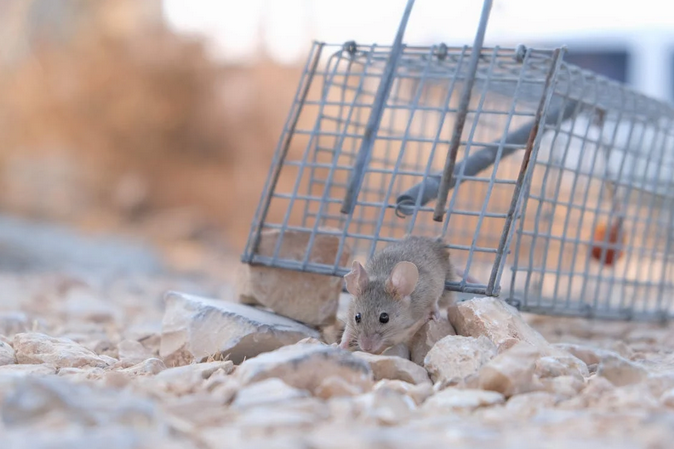
Traps can be an effective supplemental strategy. Snap traps, live traps, or electronic devices catch rodents before they establish a population. Place traps along walls, near suspected entry points, or behind furniture. Avoid placing traps in high-traffic areas. Deterrents such as ultrasonic devices or natural repellents may also discourage activity. While not a complete solution on their own, traps and deterrents help control early infestations. They act as a preventive measure while other strategies are reinforced.
Monitoring and Early Detection
Regular monitoring allows for early detection of rodent activity. Signs include droppings, gnaw marks, or strange noises in walls and attics. Frequent inspection helps catch problems before they escalate. Use logs or checklists to track sightings and evidence. Early intervention prevents a minor issue from becoming a major infestation. Monitoring also ensures that control strategies remain effective over time. Vigilance is key to maintaining a rodent-free home.
Maintaining Structural Integrity
The structure of your home itself can reduce rodent risks. Cracked foundations, loose siding, or deteriorating roofs create vulnerabilities. Repairing and maintaining structural elements strengthens your defenses. Roofs, walls, and basements should be inspected for damage that could provide entry. Keeping the building envelope intact is a permanent preventive measure. Structural maintenance complements other strategies and provides lasting protection. It is one of the most reliable ways to keep rodents out.
Sometimes, expert intervention is necessary. Professional wildlife control specialists have the tools and knowledge to handle complex infestations. They can identify hidden entry points, use specialized traps, and provide targeted solutions. Professionals also offer guidance for long-term prevention. Consulting experts ensures that your home receives thorough protection. Their experience reduces risks and minimizes the likelihood of recurrence. Combining professional support with personal preventive measures creates a strong defense against rodent infestations.
Comments are closed.